

B2C | Homemade Food Business
How Qzeen 2x’d revenue in peak season and turned SEO into an acquisition channel
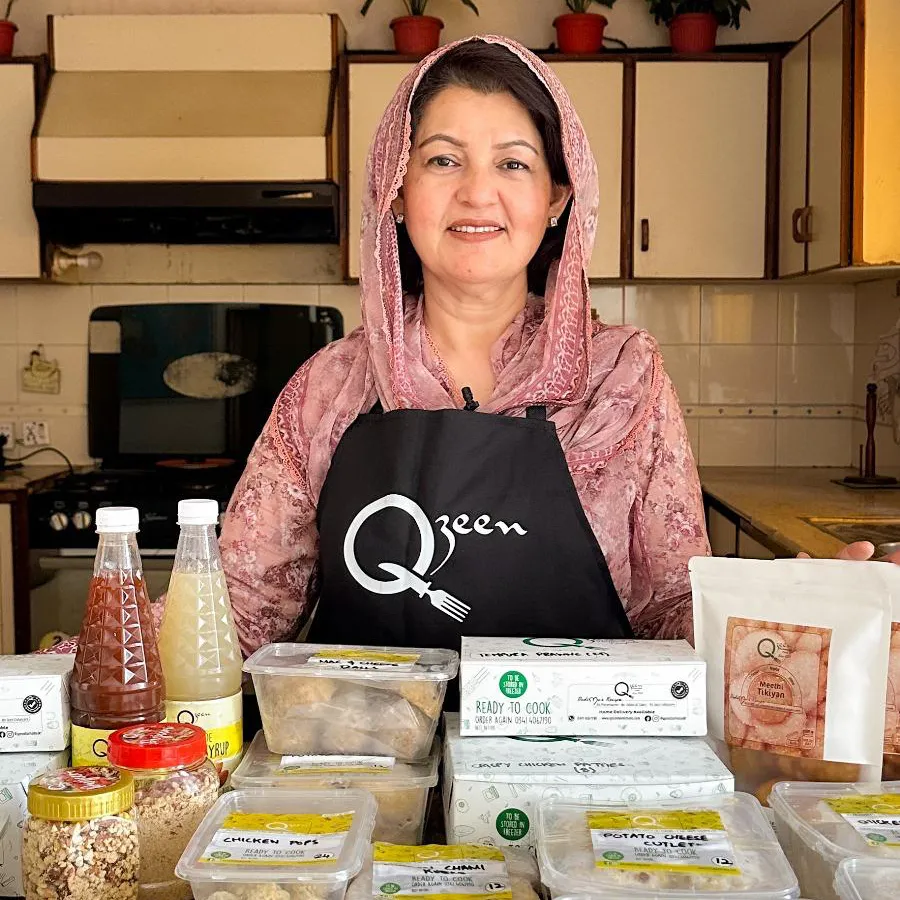
Company
Industry
Food & Beverages
Location
Pakistan
Use Case
SEO, Meta ads strategy, Shopify migration
What differentiates Aresoft Solutions from other digital marketing agencies we tried is their very own entrepreneurial mindset.
They take pain. They listen. They deliver.

Qasim Ali
Co-founder of Qzeen Homemade
Background
Qzeen is a homemade food business operating since 2013, offering 60+ products across frozen meals, snacks, and condiments. With Punjab Food Authority approval and delivery across major areas of Lahore, the business had built a loyal customer base over years of consistent quality.
However, Qzeen was running on an outdated WooCommerce store with no conversion tracking, a minimal organic search strategy despite some natural keyword rankings, and a heavy dependency on Meta ads as the primary acquisition channel.
The Challenge
Qzeen had a proven product and loyal customers, but its digital infrastructure could not support the next stage of growth. Without proper measurement or a diversified acquisition strategy, the business had no visibility into what was actually driving results:
Tracking & attribution issue
Campaigns were running without accurate purchase attribution. No data-driven way to know which creative or audience was actually driving ROI.
- Missing conversion API events
- No LTV measurements
Over reliance on Meta ads
Total reliance on Meta ads and no SEO foundation. Every new order required a fresh ad spend, leading to high CPA volatility.
- 0% SEO contribution to revenue
- No retargeting architecture
WooCommerce performance issues
WooCommerce performance issues caused high drop-off rates during peak traffic times. Slow load speeds killed mobile conversions.
- High checkout abandonment
- Server crashes during sales
Approach and Solution
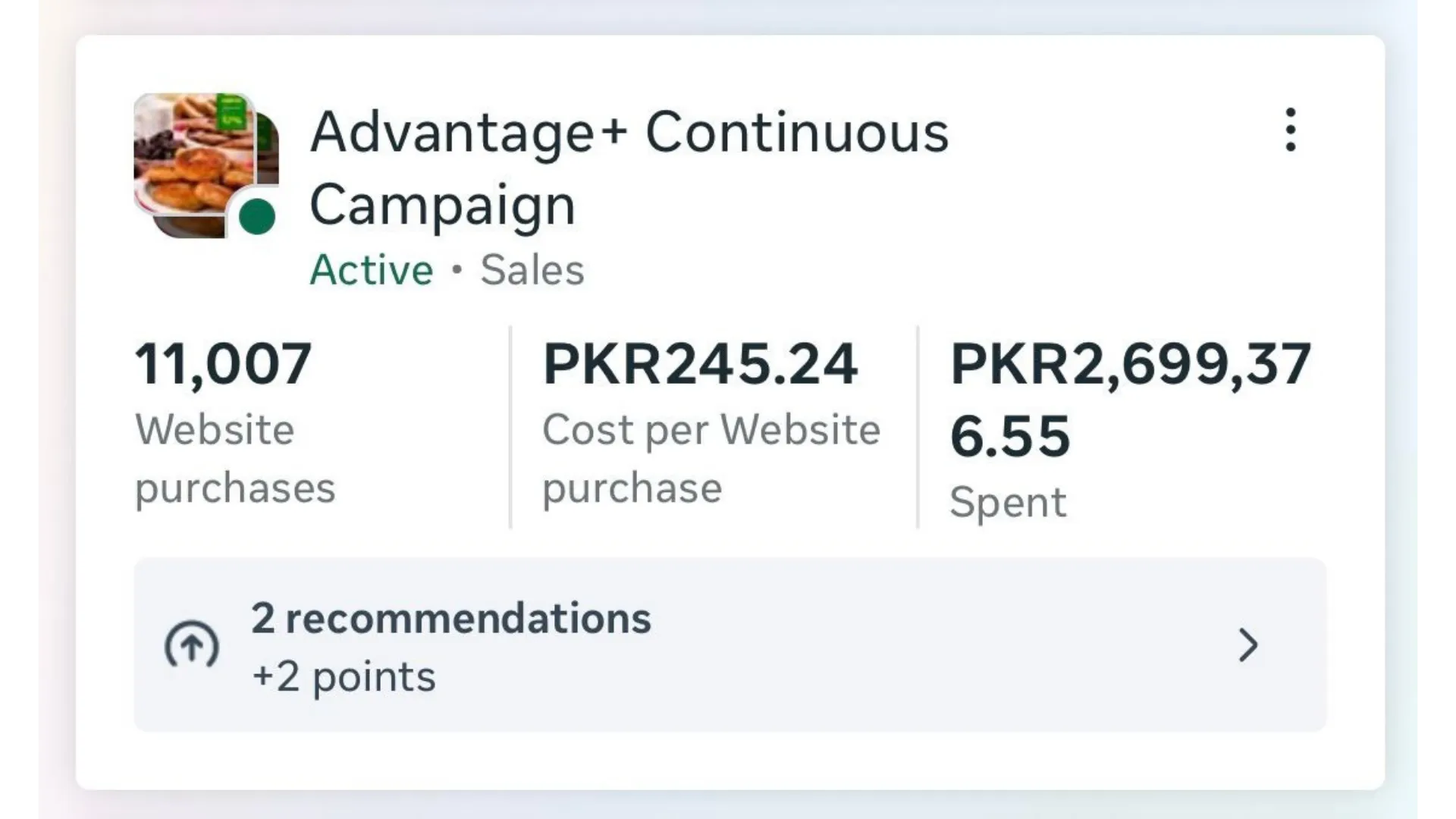
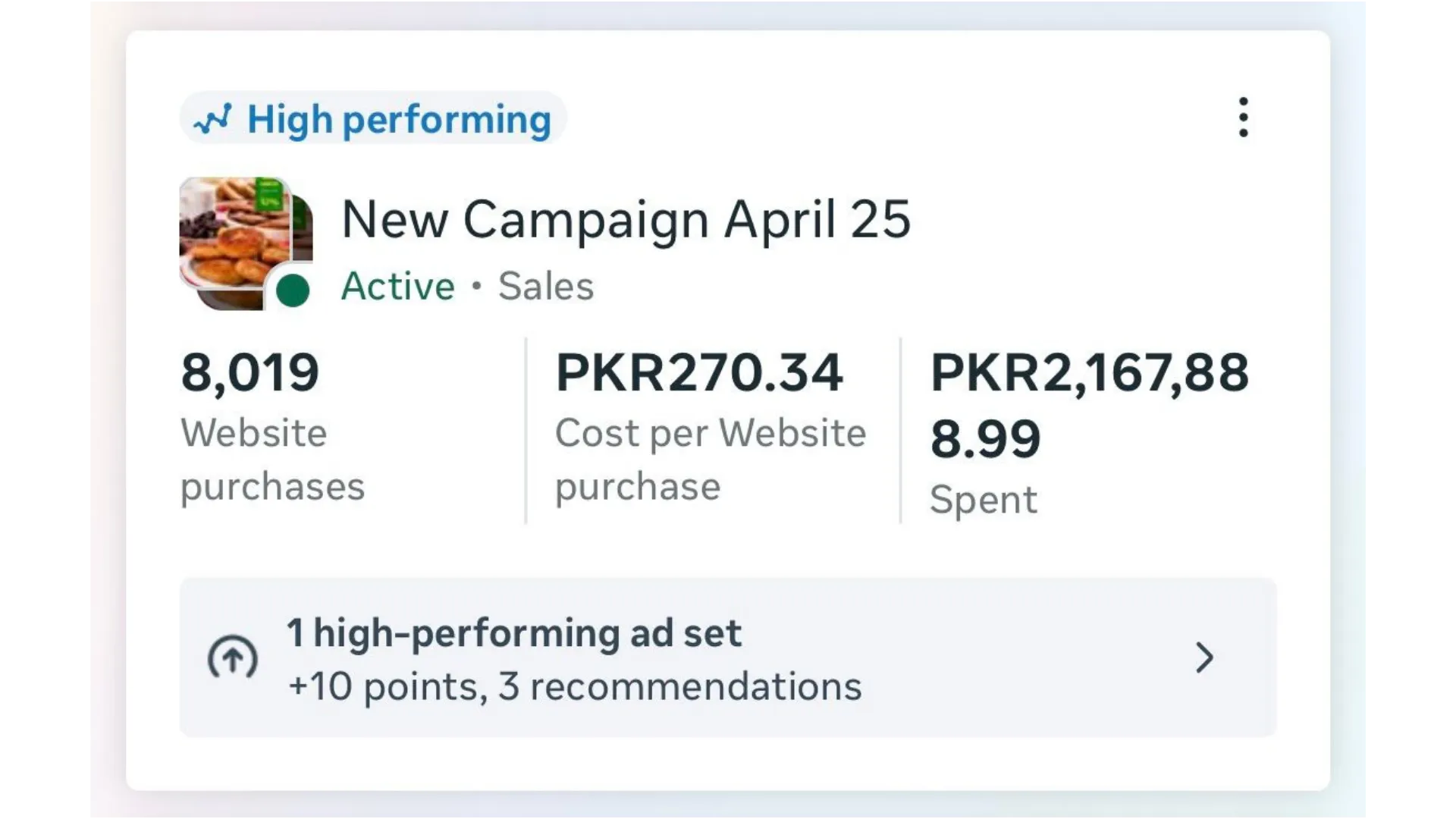
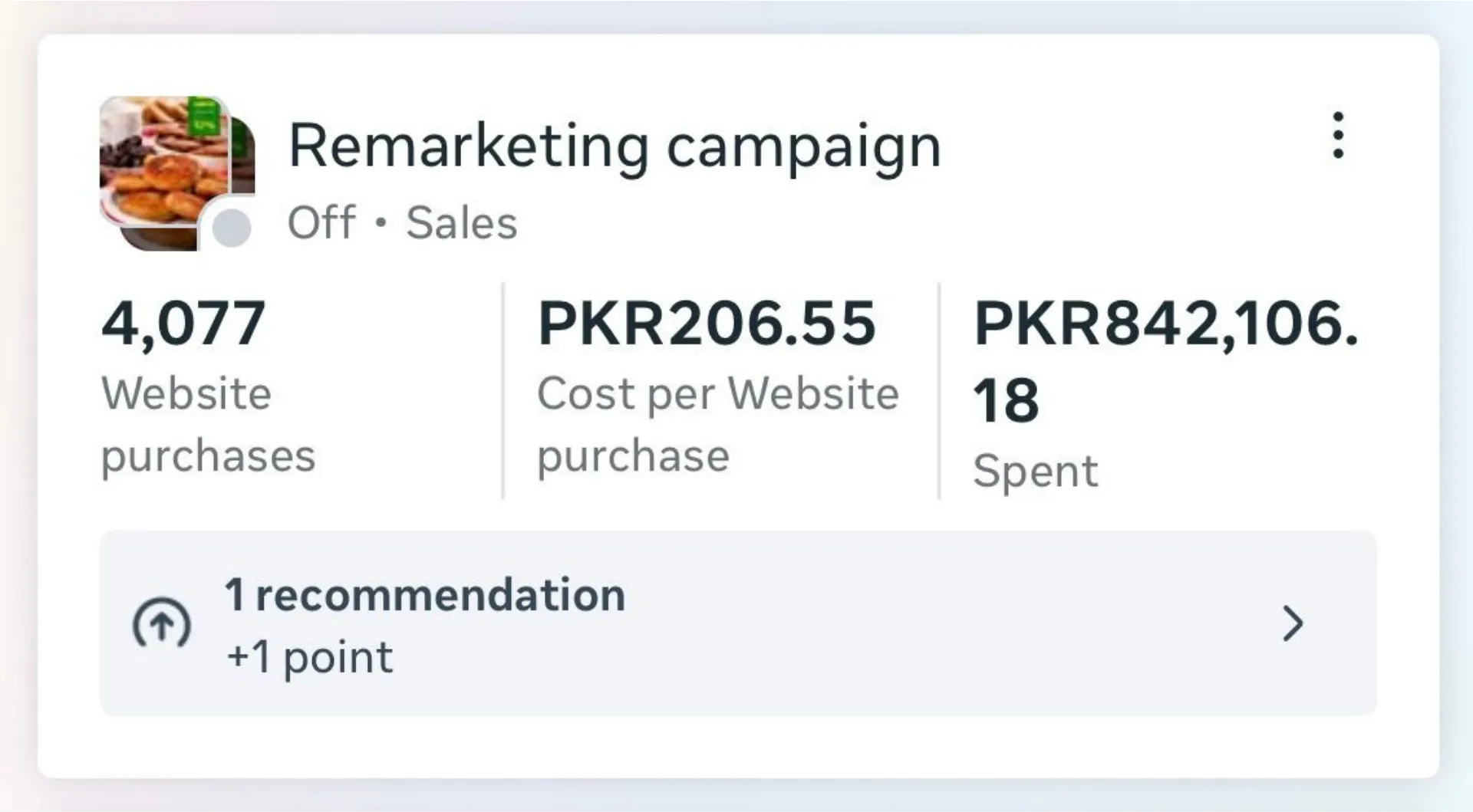
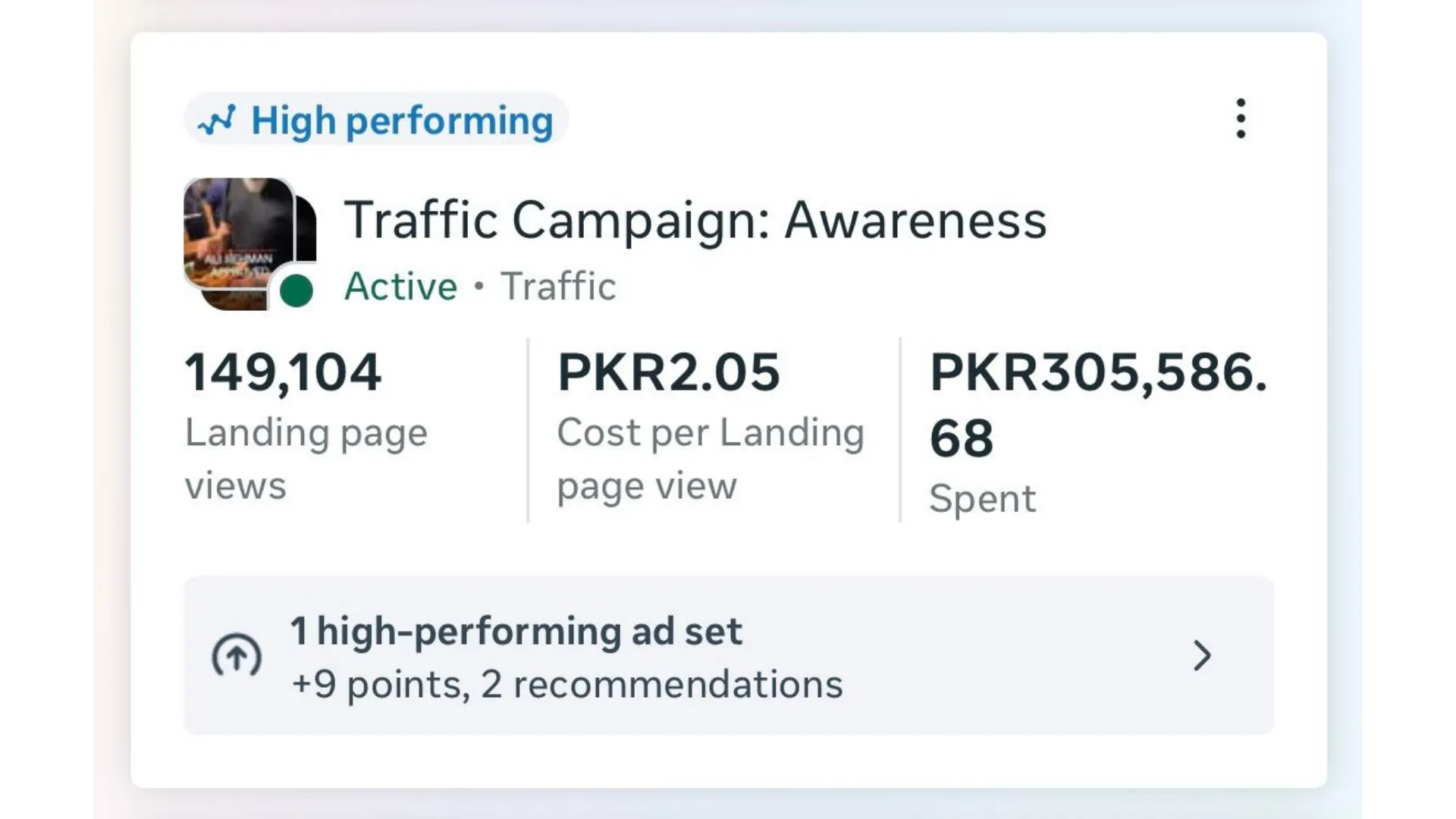
Meta was restructured, including
- Full funnel campaign architecture with separate budgets for cold, warm, and past purchaser audiences
- Custom audiences built from pixel data, customer lists, and engagement history
- Creative testing isolating hooks, visual styles, audio, and CTAs against actual purchase outcomes
- Budget reallocation toward purchase and remarketing campaigns where return was highest
- Creative refresh cycles triggered by frequency trends before performance dropped
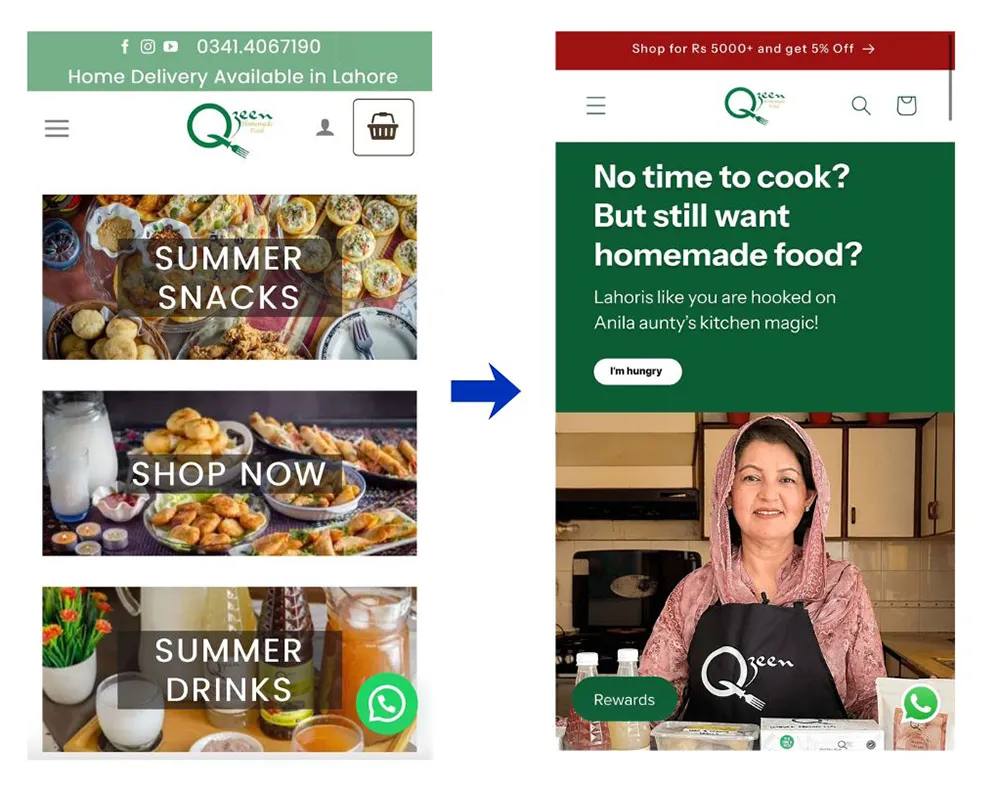
Website migrated from WordPress to Shopify, covering
- Conversion tracking rebuilt through Google Tag Manager with Meta Pixel, Google Analytics, and event verification for accurate purchase attribution
- Product catalog restructured with consistent categories, variants, and metadata for both storefront and ad feeds
- Full SEO migration: 301 redirects for every indexed URL, canonical tags verified, sitemaps resubmitted, Search Console monitored daily post launch
(Completed during peak demand with no downtime, no ranking loss, and no disruption to orders)
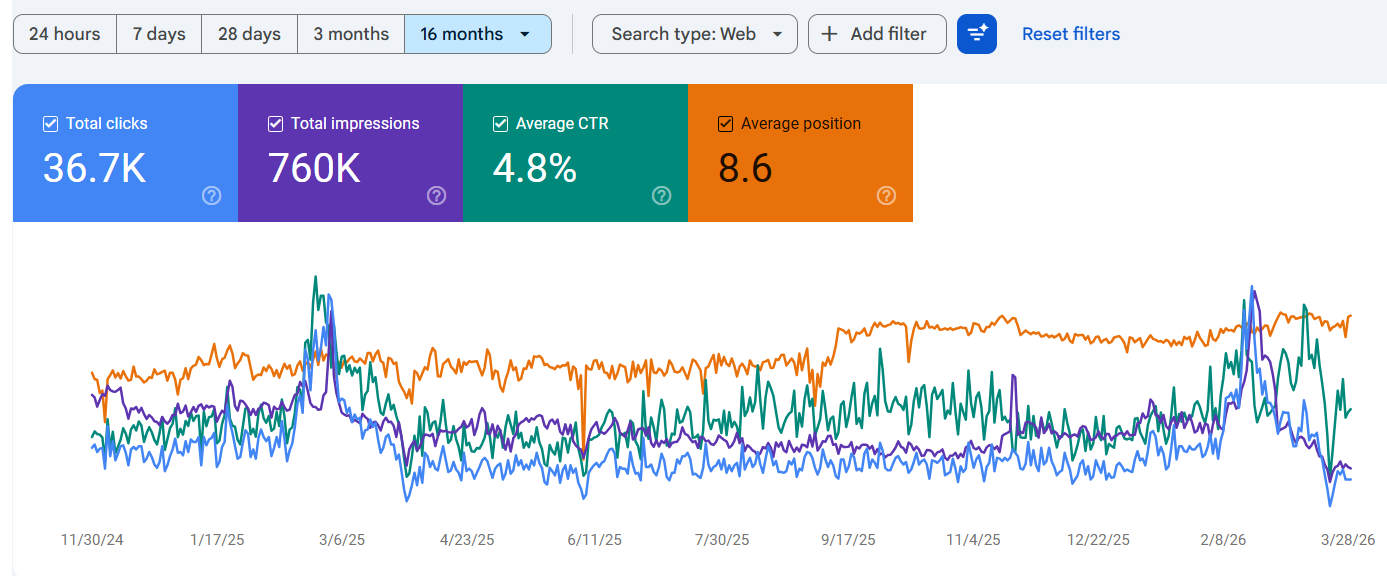
SEO strategy was built across 3 areas
- Technical foundations (site speed, crawlability, schema markup),
- On-page optimization targeting product and category pages around high purchase intent keywords,
- Content creation timed to index before seasonal demand peaks.
The Impact
All revenue figures are indexed to protect client confidentiality (baseline = 100)
Revenue Growth Index
| Year | Index Score | Growth |
|---|---|---|
| 2024Baseline | 100 | — |
| 2025 | 326 | 3.26x |
| 2026 | 483 | 4.83x |
Organic Clicks
36,700
Total Impressions
760k
Avg. Position
8.6
Conversion Share
22%
Remarketing ROI
Hyper-targeted audiences at scale